How Spicy Should Drunken Noodles Be?
@deanrkoi595
September 25, 2026 · 15 min read
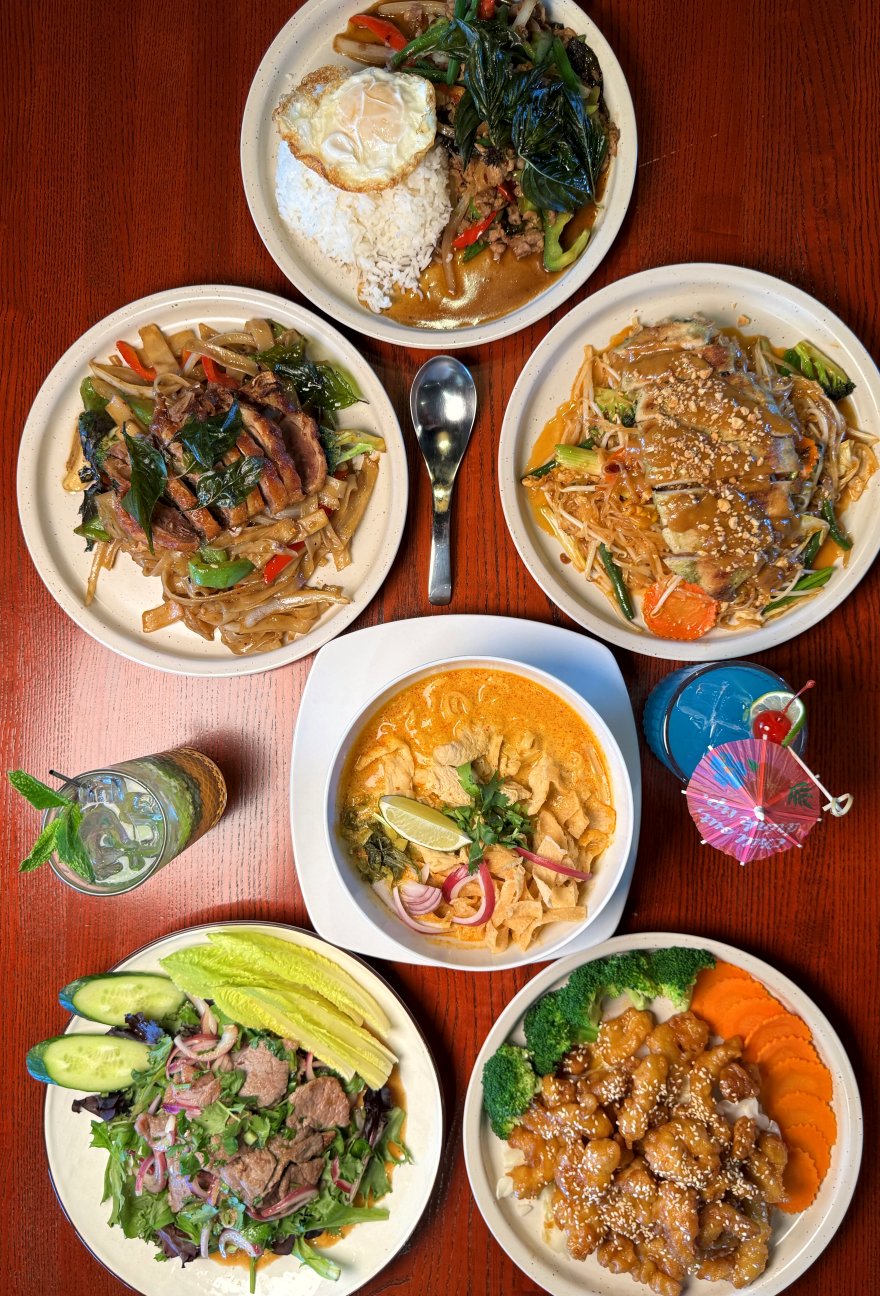

Drunken Noodles sit in that satisfying zone where heat matters, but heat alone does not define the dish. If the chilies take over, the noodles lose their chew, the basil disappears, and the https://brookstnnh456.focalledger.com/posts/how-to-create-the-perfect-drunken-noodles-stir-fry savory depth from soy, oyster sauce, fish sauce, and caramelized aromatics gets flattened into a single loud note. If the dish is too mild, it tastes like a decent stir-fry, not the bold, restless plate people expect when they order Drunken Noodles.
So how spicy should Drunken Noodles be? Spicy enough to feel insistent, not punishing. The heat should arrive quickly, build through a few bites, and stay present without erasing the sweet, salty, smoky, and herbal character that makes the dish worth craving in the first place.
That answer may sound subjective, and to a point it is. Still, there are practical standards that experienced cooks and seasoned diners recognize. Good Drunken Noodles should carry real chili heat. They should not taste timid. At the same time, the best versions stay balanced. You should be able to notice the basil, the seared edges of the noodles, the garlic, and the sauce. If all you remember is pain, the dish missed its mark.
The role spice plays in Drunken Noodles
Drunken Noodles, often associated with Thai pad kee mao, depend on contrast. Wide rice noodles bring softness and chew. The sauce contributes salinity and a little sweetness. Thai basil adds a peppery, almost licorice-like lift. Vegetables such as long beans, onions, baby corn, or bell peppers bring crunch and freshness. Protein, whether chicken, beef, pork, tofu, or shrimp, adds richness.
The chilies are what tighten all of that into a coherent dish. They sharpen the sauce and keep the sweetness from feeling sticky. They cut through oil from the wok and richness from the protein. They also give the dish its identity. Without proper heat, Drunken Noodles can taste heavy and one-dimensional.
In restaurant kitchens, especially those serving customers with varying tolerance, cooks often hold back. That makes business sense, but it can produce a version that feels safer than it should. When people say a plate of Drunken Noodles tastes bland or generic, the issue is not always seasoning. Often the missing piece is enough chili to create tension. This dish needs some edge.
Why people disagree so much about the right heat level
Part of the disagreement comes from the name. Many diners expect something wild, almost recklessly hot, because “Drunken Noodles” sounds rowdy. Then there is regional variation, restaurant adaptation, and the simple fact that chili tolerance differs enormously from one person to another.
One person’s “pleasantly spicy” is another person’s “I need water now.” I have seen diners order medium heat at one Thai restaurant and struggle through three bites, then order medium somewhere else and wonder if the kitchen forgot the chilies. Both experiences can be honest. Fresh bird’s eye chilies behave differently from dried chili flakes, chili paste, or a bottled chili sauce. The age of the chilies matters. The quantity matters. The moment they hit the wok matters too.
Heat also lands differently depending on what else is in the pan. A version heavy on sugar can mute the impact at first and then let the burn creep up later. A version with a lot of fresh basil and vegetables may feel more balanced even at the same chili level. A greasy plate can seem both dull and harsh, a bad combination that makes people misread the true spice level.
What “correct” usually looks like in practice
If you are looking for a practical benchmark, think of Drunken Noodles as medium-hot to hot by default, not mild. In a Thai context, especially at places cooking closer to traditional flavor, many versions would land around a 6 or 7 out of 10 for the average American diner. For diners accustomed to Thai food, that might feel more like a 4 or 5. Numbers are imperfect, but the general idea holds.
A proper plate should make itself known after the first bite. By the third or fourth, you should feel warmth across the tongue and a little lingering heat in the throat. It should encourage slower eating, maybe a sip of water or tea, but it should not force you to stop. You should still be able to taste the sauce. You should still want the next bite.
That last point matters more than any number. Good spice increases appetite. Bad spice interrupts it.
The difference between heat and balance
People often talk about spicy food as if heat were the sole variable. In reality, spice is only one dimension. Balance is what separates a memorable plate from a stunt.
A balanced Drunken Noodles dish does a few things at once. The sauce clings without pooling. The noodles char slightly without turning brittle. The basil wilts into the dish while staying aromatic. The chilies bloom in the oil and perfume the entire pan, not just the bites that happen to contain chili pieces.
When the balance is right, the heat has shape. It starts with the aroma from the wok, moves into the savory body of the sauce, and then lingers as a clean burn. When balance is wrong, the spice feels detached. You taste raw chili fragments or a blast of dry heat without any integration. That kind of spice registers as aggressive rather than delicious.
I have had restaurant Drunken Noodles that were technically hotter than homemade versions I have cooked, yet tasted milder overall because the sauce, basil, and wok char were in harmony. I have also had supposedly “medium” plates that felt harsher because the cook used crushed dried chili carelessly, leaving a dusty bitterness on the noodles. Heat is not just how much. It is how well.
Fresh chilies, dried chilies, and chili sauces all change the answer
Not all spicy Drunken Noodles eat the same way. Fresh Thai bird’s eye chilies produce a bright, sharp, immediate burn. They also add a grassy, fruity top note when smashed with garlic and stir-fried. Dried chilies and chili flakes tend to bring a deeper, more lingering heat, sometimes a little smokier, sometimes flatter. Chili paste can add body and complexity, depending on what is in it. Some commercial sauces sneak in sugar or vinegar that shifts the dish away from the classic profile.
This matters because a plate made with fresh chilies can tolerate more apparent heat without feeling clumsy. The flavor stays alive. A plate made mostly with dried flakes can become blunt if the cook pushes too hard. That is one reason you may hear experienced cooks say the same dish “can handle” more spice in one kitchen than another. They are not just talking about quantity. They are talking about the character of the chilies.
How basil changes your perception of spice
Thai basil does more than add fragrance. It softens the edges of the dish and helps the heat read as intentional instead of chaotic. On a good plate, the basil acts like a bridge between the chilies and the sauce. Its peppery sweetness rounds things out.
When restaurants skimp on basil, the noodles can taste hotter in a less pleasant way, even if the actual chili load is moderate. Without enough herbaceous lift, the heat sits on top of soy and salt. That tends to feel heavier and more monotonous. If you have ever eaten Drunken Noodles that seemed spicy but somehow dull, missing basil was likely part of the problem.
This is one of the details that home cooks often overlook. They focus on chilies because spice seems like the main event. Then they use a few torn leaves of basil as garnish instead of enough to season the dish. The result can be fiery but incomplete.
The restaurant reality: spice scales are not universal
One of the most common questions diners ask is whether to order mild, medium, or hot. The problem is that those labels mean almost nothing across restaurants. Some kitchens use them as true gradients. Others treat “medium” as very cautious unless you specifically ask for Thai spicy. Some cooks calibrate heat based on the assumption that most customers underestimate their limits. Others enjoy testing them.
A useful way to think about common restaurant spice levels is this:
| Spice label | What it often means in practice | |---|---| | Mild | Minimal chili presence, mostly flavor without real burn | | Medium | Noticeable heat, but usually restrained for broad appeal | | Hot | Assertive spice that should feel authentic to the dish | | Thai hot | Often much hotter, sometimes dramatically so |
The best strategy is not to rely on the label itself. Ask one short, specific question: “I want it spicy, but I still want to taste the basil and sauce. What level do you recommend?” A good server will understand exactly what you mean, and in many Thai restaurants, that wording gets better results than simply naming a number.
How spicy should homemade Drunken Noodles be?
At home, you have the luxury restaurants do not. You can tune the dish to your own threshold, and you can adjust from batch to batch. My advice is to start with enough chili to make the dish feel bold, then taste for balance rather than raw intensity.
For a pan that serves two to three people, many cooks land somewhere around three to six Thai bird’s eye chilies for a clear medium-hot result, depending on the size and freshness of the chilies and the tolerance of the people eating. That is a broad range on purpose. A tiny, fresh green chili from one market can hit harder than a larger red one that has sat in refrigeration for days. If you are using crushed red pepper instead, one to two teaspoons can create a noticeable burn, though the flavor profile will differ.
The bigger mistake at home is often not under-spicing but layering heat poorly. If you throw raw chilies in too late, the dish tastes jagged. If you add them with the garlic and stir-fry briefly in oil before the sauce goes in, their flavor spreads through the pan. That makes the noodles taste spicy throughout, instead of randomly hot in a few bites.
Signs your Drunken Noodles are too mild
A mild plate is not always a bad meal, but it usually is not a satisfying version of this specific dish. You can tell the heat is too low when the noodles taste mainly sweet and salty, with little urgency. The basil may come through, but the chilies fail to animate the sauce. The experience feels soft around the edges.
These are the clues I look for:
- The first bite tastes pleasant, but not vivid.
- The sauce dominates the dish more than the aromatics.
- You barely notice any lingering warmth after a few bites.
- The noodles feel heavy instead of energized by the spice.
- You find yourself reaching for chili oil halfway through.
If two or three of those are true, the dish probably needed more heat from the start.
Signs your Drunken Noodles are too spicy
There is a point where authenticity turns into imbalance. A too-hot plate does not just burn. It narrows the flavor range so severely that every bite tastes basically the same.
That usually happens when the cook chases shock value, uses too many raw or poorly integrated chilies, or adds spice to compensate for a weak sauce. If your lips go numb before you register the basil, or if your nose starts running after two bites and you cannot identify much beyond fire and salt, the dish has tipped too far.
Another clue is what happens after the meal. A plate that feels very hot while eating but leaves a clean, fading warmth was likely built well. A plate that leaves a harsh, bitter burn in the throat often points to too much dried chili or scorched garlic and chili in the wok. Not all “too spicy” problems are about quantity. Technique causes many of them.
The case for different spice levels with different proteins
The ideal heat level shifts slightly depending on what else is in the dish. Beef can carry a little more chili because its richness stands up to it. Chicken tends to show the sauce more clearly, so it often works best with balanced, direct heat rather than maximum burn. Shrimp cooks fast and can get overshadowed by overly aggressive spice. Tofu absorbs sauce well but needs enough chili to keep the dish lively.
Vegetable-heavy versions can also support stronger heat because the moisture and crunch from onions, peppers, and long beans create relief between bites. A noodle-heavy plate with little vegetable contrast may need a lighter hand, or it can become exhausting before you finish it.
This is why a fixed “best” spice level does not really exist. The structure of the whole dish matters.
For most people, the sweet spot is narrower than they think
People often imagine a wide spectrum from bland to brutally hot. In practice, the ideal zone for Drunken Noodles is fairly tight. Too little spice and the dish feels ordinary. Too much and its character collapses into heat. The sweet spot is where the chilies feel central but not solitary.
For many diners who enjoy spicy food but do not build their meals around pain tolerance, that sweet spot is what restaurants usually describe as a strong medium or a moderate hot. Enough to sweat lightly, enough to notice after a few forkfuls, not so much that your palate shuts down.
For dedicated chili lovers, the sweet spot may sit a notch higher. Even then, the best cooks rarely aim for destruction. They aim for momentum. The dish should get more compelling as you eat, not less.
If you need to adjust after cooking
Sometimes the noodles hit the table and the heat is wrong. You can often rescue the balance without ruining the dish, but the fix depends on the direction you need to move.
If the dish is too mild, a spoonful of chili crisp may add heat, though it will change the flavor toward its own profile. Fresh sliced Thai chilies tossed in at the end work better if you want cleaner heat, but they can taste more aggressive because they have not mellowed in the wok. A little extra white pepper can help, though it produces a different kind of warmth.
If the dish is too spicy, there is no perfect undo button. Adding more noodles and sauce works best if you are cooking at home and still have ingredients. A small pinch of sugar can soften the perception of heat, but too much makes the dish cloying. More basil helps surprisingly well because it restores aroma and complexity. What does not help much is drowning the plate in lime juice. That may brighten it, but acidity can make sharp heat feel even sharper.
What seasoned diners usually want
People who order Drunken Noodles repeatedly are rarely asking for a mild stir-fry with a little kick. They are usually looking for a dish that tastes hot on purpose. That means they expect visible chilies, aromatic basil, and a sauce that feels lively rather than merely salty.
At the same time, experienced diners know that true quality is not measured by how much suffering they can tolerate. The best Thai cooks do not prove themselves by overwhelming the room. They prove themselves by giving the chilies a clear role inside a complete dish.
That is the standard worth using. Not “Can I survive this?” but “Does the spice make every other element taste more alive?”
The best answer at the table
If you are ordering in a restaurant and want the simplest possible guidance, ask for it one level below whatever that restaurant considers its maximum, unless you already know and trust the kitchen. If you are cooking at home, season until the noodles make you pause briefly, then keep eating happily. That pause matters. It means the chilies are doing their job. Happiness matters more. It means they have not taken over.
Drunken Noodles should be spicy enough to command attention, but never so spicy that they become a test. The ideal plate leaves room for the basil to bloom, the sauce to deepen, and the noodles to remain the thing you actually want to eat. The heat should feel confident, vivid, and integrated. Not timid, not reckless, and never there just for bragging rights.
That is how spicy Drunken Noodles should be.
Nakhon Luang Thai Kitchen
Address: 805 Village Center Dr, Colorado Springs, CO 80919
Phone number: +17195315175
FAQ About Drunken Noodles
What makes it drunken noodles?
Drunken noodles, or Pad Kee Mao, get their name from the Thai word khi mao (meaning "drunkard"). They contain no alcohol. The name comes from the idea that the dish is a popular late-night meal to cure a hangover or a great food to eat with a cold beer.
What is the difference between pad see ew and drunken noodles?
While both Pad See Ew and Drunken Noodles use the same wide rice noodles, Pad See Ew is a mild, sweet-savory dish made with dark soy sauce and Chinese broccoli, whereas Drunken Noodles (Pad Kee Mao) are fiery, garlicky, and herbaceous with fresh chilies and Thai basil.
What are traditional drunken noodles?
Traditional drunken noodles, known as Pad Kee Mao in Thai, are a fiery, savory street food stir-fry made with wide flat rice noodles, fresh garlic, lots of hot chilies, meat or tofu, and fragrant holy basil. Despite the name, they contain no alcohol; the dish is traditionally eaten late at night or as a hangover cure because the intense spice helps clear the head.